November 5, 2026
Planning a special occasion begins with a single, defining question about attendance. The size of an audience shapes every element of hospitality, from dining style and kitchen prep to venue logistics and table arrangements. Across the hospitality landscape, event planners observe shifting preferences as hosts carefully weigh their gathering priorities. Understanding how these expectations change gives hosts a massive advantage when budgeting, choosing menus, and scheduling service staff.
Professional culinary teams constantly adapt to evolving party sizes. When food specialists know what to expect, they design seamless dining experiences tailored to personal tastes and dietary needs. Whether planning an intimate family reunion or an expansive celebration, staying informed helps everyone involved make confident decisions. Exploring current headcount patterns reveals valuable lessons about modern hosting preferences and overall culinary execution.
Today, gatherings focus on intentional hospitality and meaningful interactions rather than superficial spectacle. Organizers strive to create warm, inviting environments where attendees feel genuinely welcomed from the moment they arrive. Culinary professionals guide clients through these strategic decisions, matching dining styles with attendee expectations to guarantee that every single course enhances the overall ambiance.
Analyzing Modern Attendance Patterns
Guest lists are experiencing a distinct transformation in hospitality circles. Hosts often favor more personal celebrations where meaningful connections take center stage, choosing genuine quality over sheer crowd volume. This shift alters how culinary pros approach everything from ingredient sourcing to kitchen equipment. Smaller groups allow teams to experiment with artisan ingredients and present complex flavors that might prove unwieldy at a massive scale.
Industry data confirms these observations regarding attendee totals across various regions. According to FLIP's 2026 catering survey, 44.1% of caterers reported an average event size of 50 to 100 guests, while 37.3% typically served fewer than 50 guests, 14.7% served 101 to 250, and 3.9% typically handled events exceeding 250 guests. These findings highlight a pronounced preference for intimate and mid-sized affairs, allowing culinary teams to focus on bespoke menus, custom plating, and dedicated attention to detail.
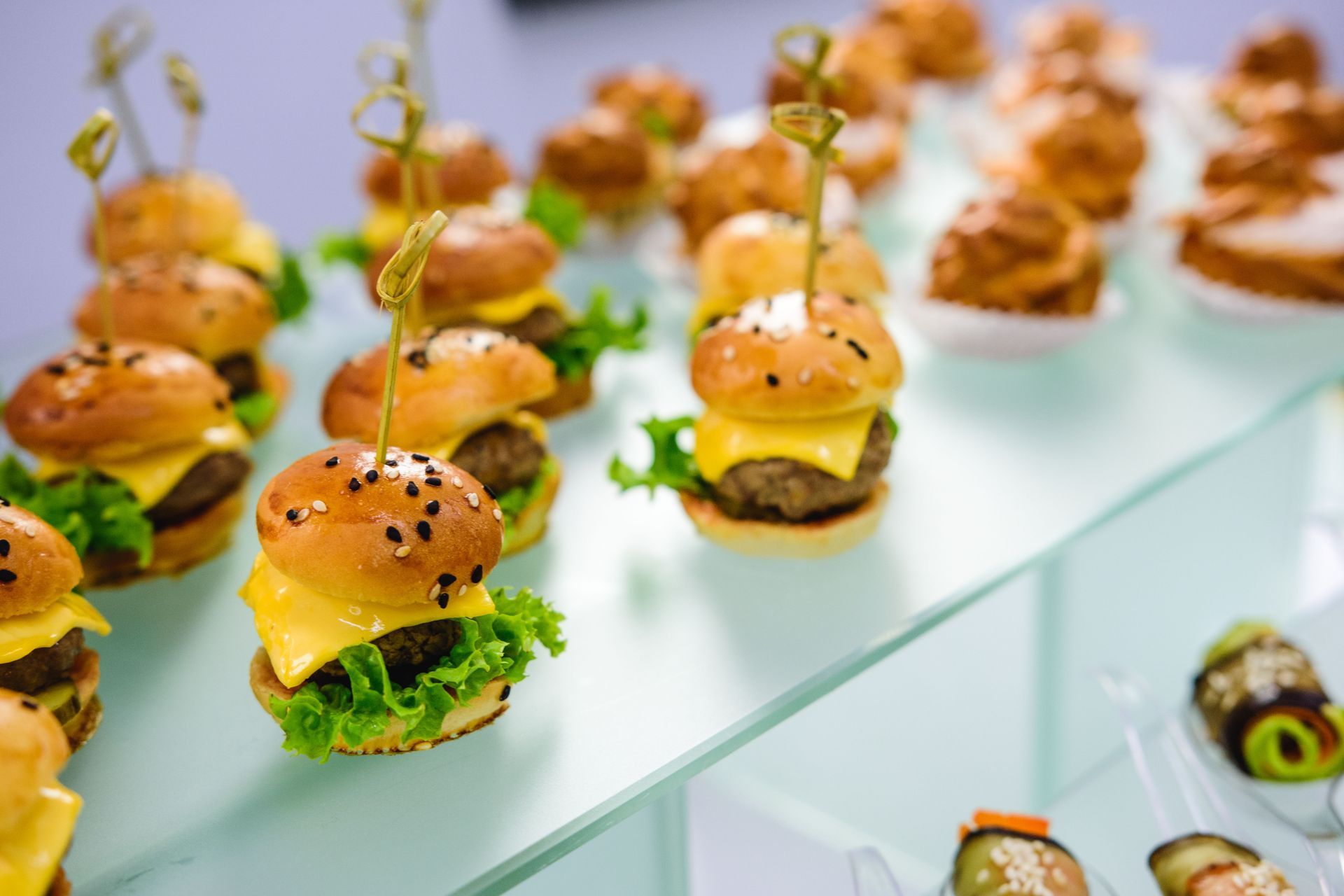
This noticeable trend toward manageable gatherings encourages inventive presentations and flexible formats. Hosts discover that curating a focused invitation list creates space for deeper conversations and relaxed socialization. Culinary teams can dedicate additional preparation time to delicate appetizers, tableside finishes, and personalized touches that leave lasting impressions on every invitee.
Evaluating Budget Realities and Priorities
Rising ingredient costs, labor expenses, and venue fees prompt clients to scrutinize budgets closely. Choosing a modest guest list allows planners to allocate funds toward upgraded cuisine rather than multiplying standard portions. Many individuals prefer offering exceptional prime cuts, fresh coastal seafood, or custom desserts to a focused gathering rather than stretching resources thin across an overwhelming crowd.
This refined fiscal approach transforms traditional party planning into an elevated dining showcase. Working closely with culinary teams, clients discover creative ways to maximize impact without overspending. Investing in specialized beverage pairings or multi-course tasting menus often delivers greater satisfaction than providing basic buffet selections for a larger crowd.
Strategic budgeting also minimizes food waste, which has become an essential consideration for contemporary event planners. By tailoring portion calculations to precise guest lists, kitchens eliminate unnecessary excess while ensuring abundance on every plate. Event hosts gain peace of mind knowing their financial investment directly enriches the guest experience through premium culinary selections and polished presentation.
Choosing Interactive and Plated Service Formats
The scale of an occasion directly influences the most effective food presentation strategy. In compact settings, kitchen staff can execute synchronized plated dinners with artistic garnishes and exquisite precision. Such refined choreography creates an upscale restaurant ambiance within private residences, historic mansions, or open countryside venues, delivering memorable culinary theater for every attendee.
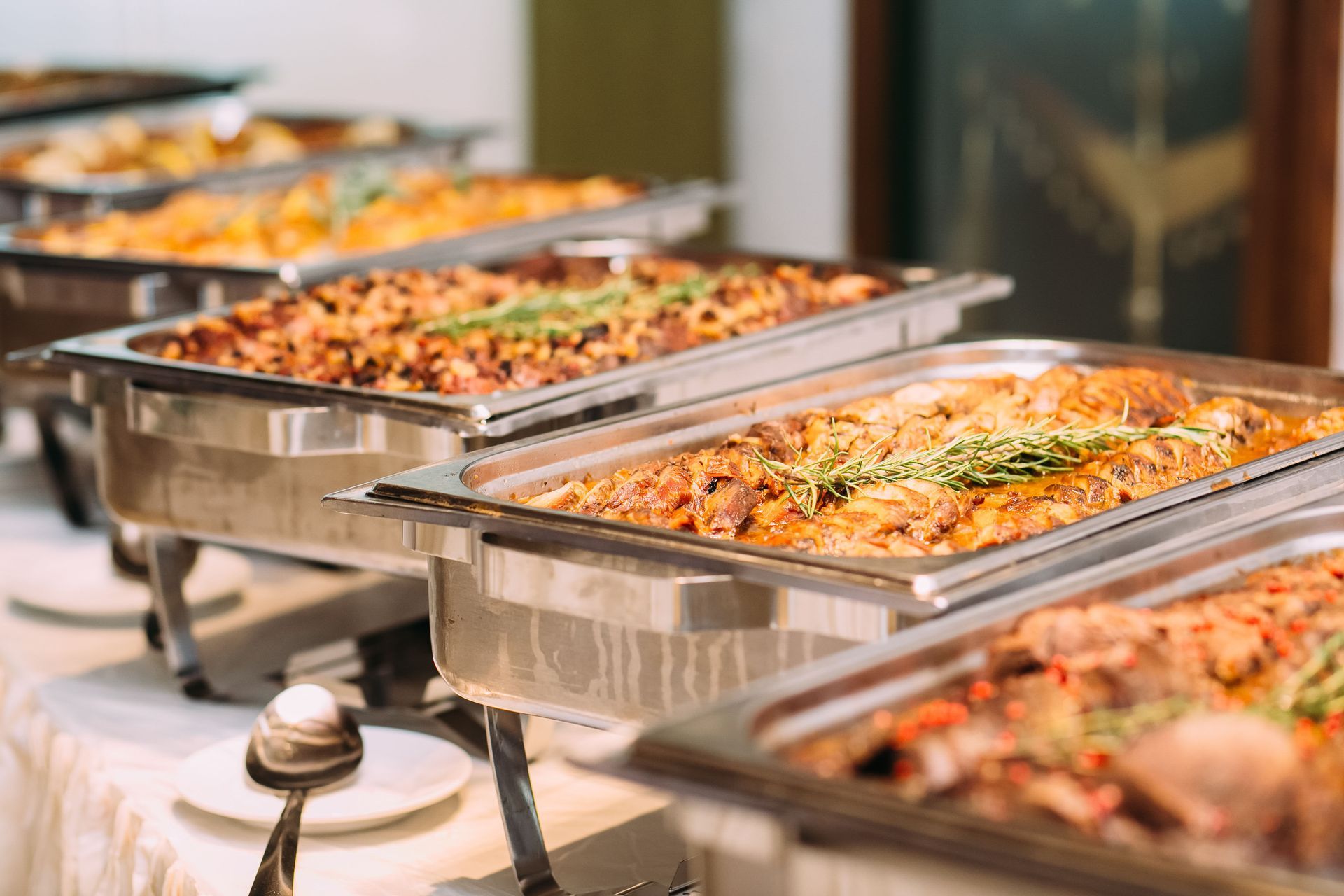
Conversely, mid-sized and larger events often excel with action stations and varied food displays. Guests appreciate moving freely about the venue, selecting customized servings, and interacting directly with dynamic culinary stations. Live carving boards, custom pasta bars, and street-style taco stations keep energy high while eliminating tedious bottleneck lines. Coordinating appropriate service styles guarantees that food stays hot, fresh, and visually stunning throughout the entire celebration.
Interactive elements invite attendees to participate directly in their culinary journey, sparking lively conversation among table companions. Skilled chefs prepare signature items on demand, explaining flavor pairings and sourcing backgrounds.
Overcoming Logistical and Venue Challenges
Physical venue constraints heavily dictate attendance boundaries. Historic halls, garden estates, and urban lofts boast unique character but frequently present limited prep areas and strict occupancy maximums. Experienced event teams carefully evaluate room capacity, kitchen access, and power availability long before finalizing elaborate menus. Balancing guest density with comfortable dining areas ensures attendees never feel cramped during meal service.
Furthermore, remote or outdoor destinations require sophisticated operational support to maintain high culinary standards. Mobile prep setups, insulated hot boxes, and reliable field equipment ensure smooth service far away from permanent commercial kitchens. Talented staff members coordinate timelines meticulously, anticipating weather fluctuations and venue limitations.
Clear communication between property managers and service teams avoids common day-of complications. Dedicated staging zones allow servers to transport hot plates and clear tables without disrupting the ambiance. Thorough site inspections identify potential hurdles well in advance, giving planners ample time to adjust floor plans, station layouts, and service routes for seamless operational execution.
Personalizing Menus for Specialized Dietary Needs
Modern hospitality requires diligent accommodation of diverse guest preferences and wellness requirements. Hosts actively seek comprehensive solutions for vegan, vegetarian, gluten-sensitive, and allergen-conscious friends without sacrificing flavor or elegance. Managing these requirements becomes significantly simpler when overall group totals remain manageable, allowing kitchen professionals to craft dedicated dishes that match the main menu seamlessly.
Direct communication between organizers and food providers guarantees that inclusive culinary planning never feels like an afterthought. Guests appreciate when hosts remember their personal dining restrictions, fostering a warm, welcoming environment for everyone in attendance. Creative chefs embrace these unique requests by crafting innovative plant-forward delicacies and allergen-free sauces that rival conventional dishes.
Rather than offering separate, uninspired alternatives, culinary artists incorporate inclusive ingredients throughout the primary menu. Vibrant roasted heirloom vegetables, ancient grains, and rich vegetable reductions satisfy both omnivores and plant-based diners alike. This harmonious culinary approach ensures that every guest shares the same level of luxury and indulgence, reinforcing a spirit of unity across the dining room.
Maximizing Guest Comfort and Engagement
Hospitality thrives when guests feel recognized, comfortable, and thoroughly pampered from arrival to departure. Compact settings make it easy for hosts to spend meaningful moments chatting with every attendee. Meanwhile, staff members can provide attentive, discreet hospitality, refreshing beverages, and clearing empty plates without interrupting vibrant conversations.
Careful event management balances dynamic culinary presentations with effortless relaxation. Thoughtful floor plans, comfortable lounge seating, and attentive food stations invite people to relax and savor every distinct flavor. By coordinating room flow with exquisite food options, talented team members transform standard banquets into unforgettable occasions that leave lasting positive impressions on every single person.
When planners tailor the physical environment to the size of the crowd, spaces feel vibrant rather than sparse or overwhelming. Warm ambient lighting, background acoustics, and intuitive seating arrangements encourage people to linger over dessert and coffee.
Bringing exceptional food and flawless service to your next gathering is simple when you partner with passionate culinary professionals. Discover how Home Style Caterers can transform your unique event vision into a remarkable reality with customized menus and unforgettable hospitality.